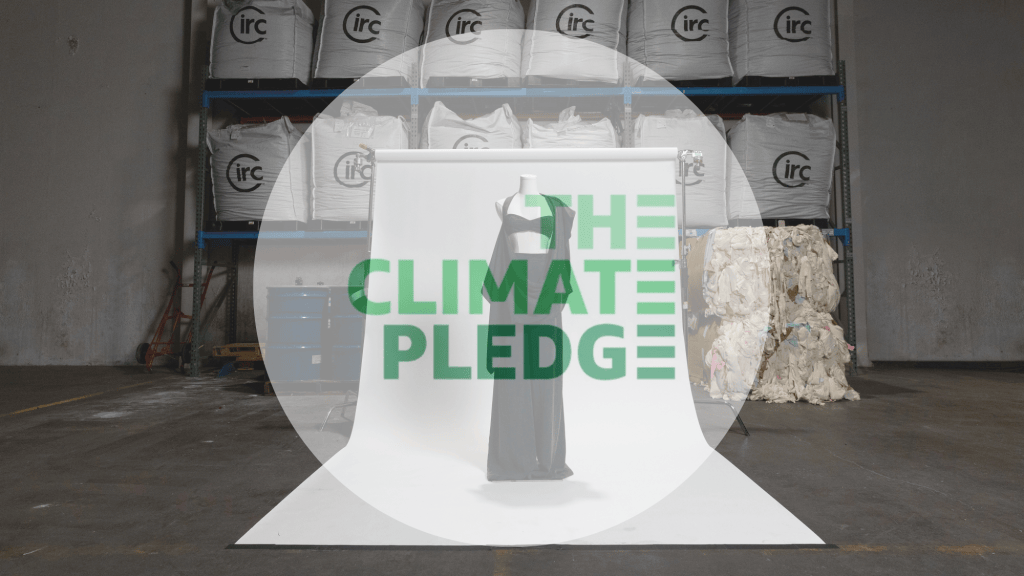
When you hear ‘environmentally friendly fashion,’ Amazon is probably the last name that comes to mind. Honestly, I feel the same way. Since launching its Climate Pledge in 2019, Amazon’s approach to clothing distribution has barely changed. The pledge, a partnership with Global Optimism, set an ambitious goal to reach net-zero carbon emissions by 2040, rallying industry leaders to spark real change. While Amazon’s journey is far from over, it has started to make noticeable strides.
In 2025, Amazon shared some mixed results – while their total carbon emissions actually rose, their carbon intensity dropped by an impressive 38% since 2019. If these terms sound confusing, here’s the gist: carbon emissions count everything the company emits, while carbon intensity measures how efficiently they operate in terms of greenhouse gases. Basically, Amazon is using less carbon to run its business, and they’re betting this efficiency will eventually shrink their overall emissions.
Now, before we can determine whether Amazon truly deserves to be considered a new leader in sustainable fashion, we must look at the areas that need improvement. Fast fashion as a whole has grown by over 10% in the past couple of years, with Amazon being one of the largest contributors. Not only do they own more than 30% of the online retail market, but it accounts for nearly 20% of all U.S. apparel spending. With over 90% of their apparel listings from marketplace vendors, 72% of their apparel sales come from third-party sellers, making it easier for the site to be flooded with cheaper, mass-produced products. Commanding this much power over the market makes it one of the largest fashion retailers in the world, and as it adopts more sustainable approaches they’ll have the potential to become a leader in sustainable fashion simply by the amount of fast fashion it could potentially take off the market.
Some of you might be thinking that Amazon’s in-house brand has to be more sustainable than its third-party sellers, but let me quickly dispel this illusion. The manufacturing for their clothing brand is based entirely on the fast fashion model, which prioritizes cheap, functional basics and trend-replicated apparel by pushing mass-produced products typically made from cheap synthetic materials. At this point, cheap and Amazon should almost be synonymous, considering how many corners they cut to keep costs low. Like how, it bypasses traditional shipping methods by shipping directly from warehouses to consumers, which allows them to take advantage of the de minimis tax loophole, letting them import millions of cheap single packages tax- and duty-free. Not to mention, their business ethics can be a little murky, as they don’t clearly distinguish between apparel factories and other fulfillment manufacturers, making it hard to audit their supply chain for labor rights. After learning all that, you don’t have to wonder why they aren’t yet considered a sustainable fashion brand – that’s what makes this new shift towards sustainability so shocking, yet so important.
While much hasn’t changed in terms of fashion sustainability since Amazon’s Climate Pledge in 2019, this month they decided it was finally time to make it a priority. On September 24, 2026, Amazon launched the Climate Pledge Fashion Coalition, co-founded with Stella McCartney and forest-conservation non-profit Canopy. With more than 60 fashion brands, manufacturers, and retailers committed to the program, the coalition is set to position Amazon as a new leader in sustainability. The coalition already has the support of the World Economic Forum as well as many major sustainable materials companies like plant-based fiber company Bananatex and the zero-waste knitting technology from Unspun. Joining the coalition gives members access to their new Lever Library, which is a database containing more than 100 sustainable fibers with directions on how to use said fibers and even a directory of suppliers as well as manufacturing technologies that reduce water use, chemical inputs, and emissions. They’ve also started working with the World Economic Forum on financing programs that would pair financial institutions with private investors to fund more sustainable materials. This commitment to change in the Amazon production model could prove to revolutionize sustainable fashion so long as they deliver on their promises.
This is a major cross-industry effort to curb the rise of fast fashion by implementing more accessible sustainability solutions for brands and consumers. Co-founder and creative director Stella McCartney said, “The solutions already exist. What’s been missing is the industry-wide commitment to help them scale. The Climate Pledge Fashion Coalition is about turning innovation into infrastructure, creating real demand for the next generation of materials, and giving the pioneers a pathway from breakthrough to industry standard.” The goal is that by making sustainable materials industry standard, they’ll become accessible to consumers at more affordable price points.
Currently, one of sustainable fashion’s biggest roadblocks has been scaling the production of sustainable materials due to higher costs. The coalition hopes to circumvent this issue by using their unique cross-industry network to create a higher demand for sustainable materials, which will ultimately bring costs down for brands and consumers. Canopy founder and executive director, Nicole Rycroft, summed it up best when she said, “Transitions of this scale don’t happen brand by brand—they happen when an industry moves together.”
Industry members can join the coalition for free but have to commit to reach net-zero carbon by 2040 as well as measure and report their emissions regularly. While many big-name brands and sustainable companies have joined the initiative, there are still many brands that they’re hoping will join. The bulk of carbon emissions in fashion comes from the fast fashion industry – think Shein, Fashion Nova, and yes, even Zara. Sally Fouts, the director of Amazon’s Climate Pledge, has stated that they hope to bring in the larger, lower-price-point manufacturers and fashion companies as the demand for sustainable materials goes up and costs go down, making it easier for these companies to implement sustainable materials and practices in their production.
So, after co-founding one of the biggest cross-industry fashion coalitions, does that make Amazon the latest leader in fashion sustainability? Some of you might say yes, but the answer is more complicated than that. But you would be right in saying that they’re on their way to being leaders. After their own apparel brands have missed the mark on switching to sustainable materials, Fouts says they’re now looking to adopt those new materials and production practices where they can. Some have believed that the sustainability movement was slowing down – please take this as a sign that you’re wrong. People are still fighting for better alternatives and practices behind the scenes, and now Amazon, along with Stella McCartney and Canopy, has brought the movement back into the spotlight. Hopefully leading to much more change in the industry by bringing other brands and consumers on board.
If you’d like to learn more or to sign Amazon’s Climate Pledge, click the link here – Join the world’s top brands in reaching net-zero carbon by 2040 and sign the pledge TODAY!


Leave a comment